
Cultural reflections How casinos shape societal values and norms
The Historical Context of Gambling
Gambling has been an intrinsic part of human culture for centuries, with its roots tracing back to ancient civilizations such as the Chinese, Greeks, and Romans. These societies utilized games of chance not merely for entertainment, but also as a medium for social interaction and communal bonding. The various forms of gambling were often intertwined with religious rituals and societal events, reinforcing their importance in shaping early societal values. Over time, as societies evolved, so too did their perceptions and regulations surrounding gambling, paving the way for modern casinos. In this changing landscape, Casino Pinco has emerged as a key player for today’s gamers.

The establishment of casinos marked a significant shift in gambling’s role within society. Initially regarded with skepticism, casinos slowly transformed into central social hubs where individuals gathered not just to gamble, but also to experience luxurious environments and social engagements. In many ways, these venues reflect cultural values by providing a space where risk-taking is celebrated, yet they simultaneously reinforce the notion of responsible gaming, emphasizing moderation and safety. This duality influences societal norms regarding leisure and entertainment.
In contemporary society, the historical implications of gambling are still felt. With the rise of online casinos, gambling has transitioned into the digital sphere, making it more accessible than ever before. This accessibility has prompted discussions about the ethical implications of gambling and its societal impact. The evolving views on gambling, from ancient rituals to modern-day entertainment, illustrate how deeply embedded it is within cultural frameworks, thereby shaping societal values in significant ways. The Pinko Online Casino exemplifies this transformation by offering a unique gaming experience tailored to modern players.
Casinos and Social Interaction
Casinos serve as dynamic environments where social interactions flourish, fostering connections among diverse groups of people. In these spaces, the thrill of gambling is often complemented by opportunities for socializing, creating a unique atmosphere that breaks down barriers. This communal aspect can challenge societal norms by promoting inclusivity and diversity, allowing individuals from various backgrounds to come together in pursuit of entertainment.
The interactions that occur within casinos can lead to a broader acceptance of gambling as a normative social activity. As people engage in games, share experiences, and celebrate wins or losses, they forge connections that may transcend their everyday lives. This sense of camaraderie can contribute to a more open discourse surrounding gambling and its role in society, thereby reshaping cultural perceptions and norms. Accessing the Pinko Casino Login allows players to join this vibrant community easily.
Moreover, casinos often host events, concerts, and themed nights that draw in crowds, further enhancing their role as social venues. These happenings not only attract regular gamblers but also individuals who may have reservations about gambling. By presenting casinos as multifaceted entertainment hubs, they encourage a cultural shift towards viewing gambling as part of a broader leisure experience, thereby influencing societal values around fun and risk-taking.
Economic Influence of Casinos on Society
The economic impact of casinos extends far beyond their immediate revenues; they often serve as catalysts for regional economic growth. By generating jobs, attracting tourism, and stimulating local businesses, casinos play a pivotal role in shaping economic norms within their communities. This economic influence can lead to societal shifts, as residents begin to recognize the tangible benefits that casinos can bring to their neighborhoods.
In many regions, the establishment of casinos has led to increased investment in public services and infrastructure, as a portion of gambling revenues is often funneled back into community projects. This financial contribution can enhance public perception of casinos, repositioning them as beneficial entities rather than merely venues for gambling. Such a positive image can shift cultural norms around gambling, fostering a more balanced view that appreciates both the entertainment and economic advantages.
However, the economic influence of casinos is not without its challenges. Issues like gambling addiction and social disparities may arise, prompting communities to navigate the complexities of integrating casinos into their social fabric. As societies grapple with these concerns, the conversation around gambling evolves, ultimately reflecting a more nuanced understanding of its economic and cultural implications.
Cultural Representations of Gambling
Cultural representations of gambling in media and popular culture significantly shape societal attitudes toward casinos and gambling. Films, television shows, and literature often depict gambling as glamorous and thrilling, reinforcing the allure of casinos. This portrayal can elevate gambling to a status symbol, influencing public perceptions and norms around risk-taking and success.
On the flip side, negative portrayals of gambling in media can contribute to stigmatization and anxiety surrounding the activity. Stories of addiction and financial ruin serve as cautionary tales, framing gambling as a vice rather than a leisure activity. This dichotomy in representation can lead to conflicting societal views, with some embracing gambling as a form of entertainment, while others advocate for caution and responsible gaming practices.
Additionally, the cultural significance of gambling varies across different societies, reflecting diverse values and attitudes. In some cultures, gambling is celebrated as a traditional practice, while in others, it may be shunned or restricted. These differences underscore the role of cultural narratives in shaping societal norms, highlighting the need for a more comprehensive understanding of how gambling is perceived globally.
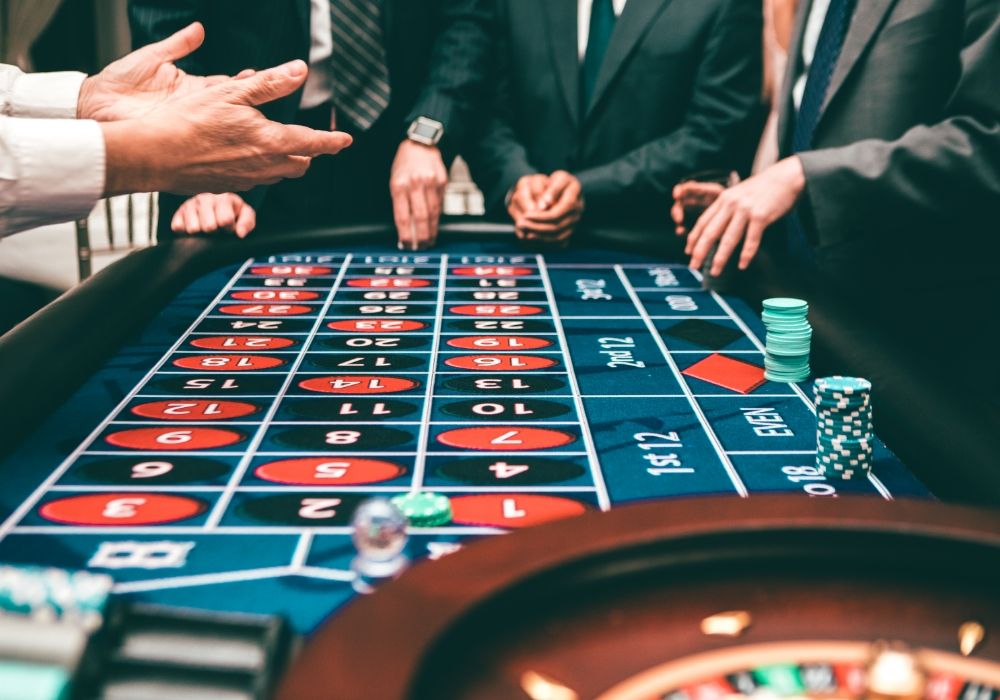
Exploring Pinko Casino’s Role in Canadian Culture
Pinko Casino stands out as a premier online gaming destination in Canada, emphasizing both entertainment and responsible gaming. Catering specifically to Canadian players, Pinko Casino offers a vast selection of games that reflect the evolving landscape of gambling in contemporary society. This platform is designed not only to provide enjoyment but also to promote safe gaming practices, emphasizing the importance of moderation in a fast-paced environment.
By prioritizing customer satisfaction and security, Pinko Casino plays a vital role in shaping societal norms around online gambling. The emphasis on generous bonuses and secure transactions illustrates a commitment to enhancing the gaming experience while addressing concerns about safety and fairness. Such practices contribute to a positive image of online gambling, fostering greater acceptance among players and encouraging responsible participation.
As a cultural touchstone in the realm of online gaming, Pinko Casino also reflects broader societal values, such as inclusivity and community engagement. By providing a platform that supports diverse gaming experiences, Pinko Casino promotes a sense of belonging among players. This commitment to community, paired with an understanding of the cultural nuances surrounding gambling, positions Pinko Casino as a leader in the industry, influencing societal attitudes toward online gaming for the better.